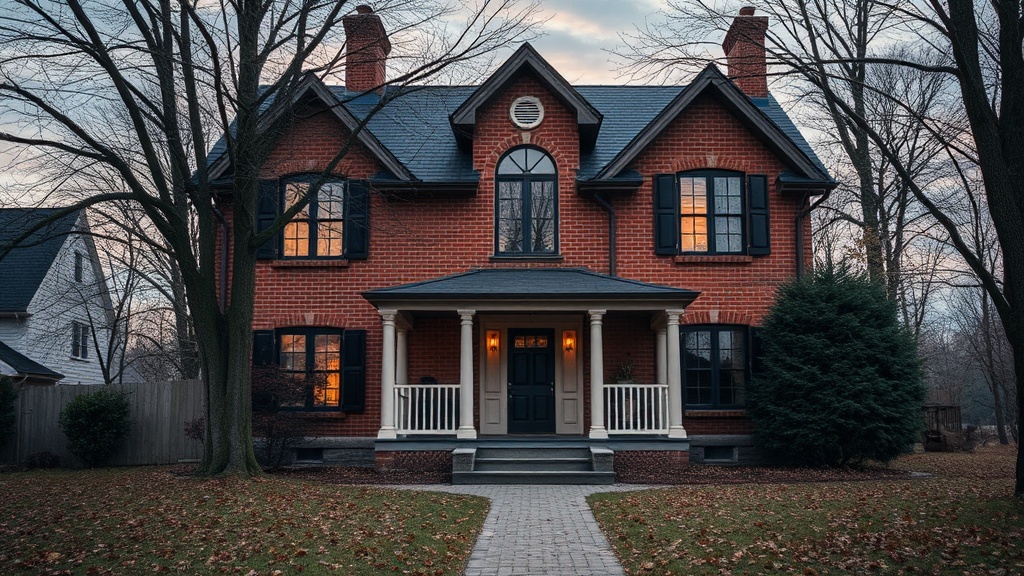
How to Research Your Saint-Jean-sur-Richelieu Home's History

Why Your Saint-Jean-sur-Richelieu Home Has Stories to Tell
Most of us drive past the historic homes along rue Richelieu or stroll through Vieux-Saint-Jean without wondering about the layers of history beneath our feet. We assume researching a property's past requires professional archivists or expensive services—something reserved for heritage enthusiasts with deep pockets. That assumption keeps Saint-Jean-sur-Richelieu residents disconnected from the fascinating narratives embedded in their own walls.
The truth? Uncovering your home's history in Saint-Jean-sur-Richelieu is more accessible than you think. Our city maintains surprisingly robust records, and several local institutions actively support amateur researchers. Whether you live in a century-old duplex near Collège Saint-Jean or a mid-century bungalow in Saint-Luc, your property carries traces of the families, industries, and community events that shaped our town. This guide walks you through the practical steps to uncover those stories—no specialized degree required.
Where Should You Start Your Property Research in Saint-Jean-sur-Richelieu?
Begin with what you already know. Gather your deed, property tax assessments, and any previous inspection reports. These documents contain parcel numbers, previous owner names, and boundary descriptions that serve as your research foundation. Write down your street address, lot number, and the approximate age of your home if you know it.
Next, visit the Registre foncier du Québec office or access their online portal at registrefoncier.gouv.qc.ca. Quebec's land registry system tracks property transactions dating back generations. For Saint-Jean-sur-Richelieu properties, you'll find deed transfers, mortgage records, and legal notices that establish your ownership chain. Each transaction reveals who lived in your home, when they bought it, and sometimes why they sold—economic downturns, family changes, or opportunities elsewhere.
Don't overlook the Commission de toponymie du Québec database. Street names in Saint-Jean-sur-Richelieu have changed over time, particularly in older neighborhoods. What we now call certain avenues might have had different names decades ago, affecting how you search historical records. Cross-referencing old maps with current addresses prevents frustrating dead ends.
What Local Archives Hold the Best Records for Saint-Jean-sur-Richelieu Homes?
The Société d'histoire de Saint-Jean-sur-Richelieu stands as your most valuable research partner. Located in our historic district, this organization maintains photographs, city directories, newspapers, and personal collections that breathe life into property records. Their volunteer historians know Saint-Jean-sur-Richelieu's development patterns intimately—they can tell you which neighborhoods grew during the railway expansion, which streets housed factory workers versus merchants, and how flooding patterns influenced where people built.
City directories (often called "Lovell's Directories" for older years) list residents by address. These annual publications show who lived in your home year by year, sometimes including occupations and family members. At the Société d'histoire, you can trace how your street's character evolved—perhaps your quiet residential block once hosted blacksmiths, corner stores, or boarding houses serving workers from the nearby textile mills.
The Bibliothèque Saint-Jean on rue Saint-Jacques houses microfilm collections of local newspapers, including Le Canada Français and other regional publications. Fire insurance maps—particularly the Charles E. Goad atlases from the early 20th century—detail building materials, room configurations, and outbuildings for Saint-Jean-sur-Richelieu properties. These maps help you understand what physical changes your home has undergone.
For architectural context, consult the Inventaire des lieux de patrimoine de la Montérégie. This provincial inventory documents heritage properties throughout our region, sometimes including detailed architectural descriptions and historical significance statements. Even if your home isn't listed, neighboring properties might be—and their records often mention surrounding development patterns.
How Do You Piece Together the Human Stories Behind Your Saint-Jean-sur-Richelieu Property?
Property records tell you who owned your home; local archives reveal how they lived. Once you've compiled names from deeds and directories, search for those individuals in newspaper archives. Birth announcements, wedding notices, obituaries, and social columns populated Saint-Jean-sur-Richelieu papers for generations. A death notice might reveal that your home passed to a daughter who raised her own children there, or that an owner operated a business from the property.
Church records add another layer. Saint-Jean-sur-Richelieu's parishes—Saint-Jean-l'Évangéliste, Saint-Luc, and others—maintained sacramental records documenting baptisms, marriages, and burials. The Archives nationales à Montréal holds microfilm copies of many parish registers. These records help reconstruct family relationships, revealing multigenerational households or siblings living nearby.
Consider the broader context of when your home was built. Was it constructed during Saint-Jean-sur-Richelieu's industrial boom in the late 19th century? During the post-war suburban expansion? During the economic uncertainty of the 1930s? Each era left architectural signatures—Victorian ornamentation, Craftsman details, wartime modesty, or mid-century modernism. Understanding when your neighborhood developed helps you interpret the physical evidence you see today.
Talk to your neighbors, especially long-term residents. Oral history fills gaps that documents can't. Elderly neighbors might remember previous owners, describe how the street looked decades ago, or recall significant events—a flood, a fire, a celebration—that affected your block. The Société d'histoire sometimes hosts community memory sessions where residents share recollections; attending these events connects you with Saint-Jean-sur-Richelieu's living history.
What Should You Document and Preserve for Future Saint-Jean-sur-Richelieu Residents?
As you research, organize your findings systematically. Create a timeline showing ownership changes, construction dates, and significant events. Photograph architectural details—moldings, hardware, flooring patterns—that might be original or early modifications. Document any changes you make to your property; you become part of its history too.
Consider sharing your research with the Société d'histoire de Saint-Jean-sur-Richelieu. They welcome property histories and sometimes incorporate significant findings into their public archives. Your work might help future owners or researchers understand our community's development patterns.
Physical artifacts deserve attention too. Old photographs, letters, or documents found during renovations should be preserved carefully. The Canadian Conservation Institute provides guidelines at canada.ca/en/conservation-institute.html for handling heritage materials. If you discover significant architectural features—original windows, hidden fireplaces, hand-forged hardware—consult heritage conservation resources before altering them.
Researching your Saint-Jean-sur-Richelieu home connects you to something larger than property ownership. You become a steward of local history, preserving stories that might otherwise disappear. Our community's character—what makes Saint-Jean-sur-Richelieu distinct from any other Quebec town—lives partly in these individual property narratives. When we understand how our homes fit into the broader story, we make better decisions about preservation, renovation, and community participation.
The tools exist. The records wait. Your Saint-Jean-sur-Richelieu home has stories worth uncovering—and you don't need to be a professional historian to find them.